
7 Questions to Ask Before Hiring a Roofing Contractor for Your Historic Home
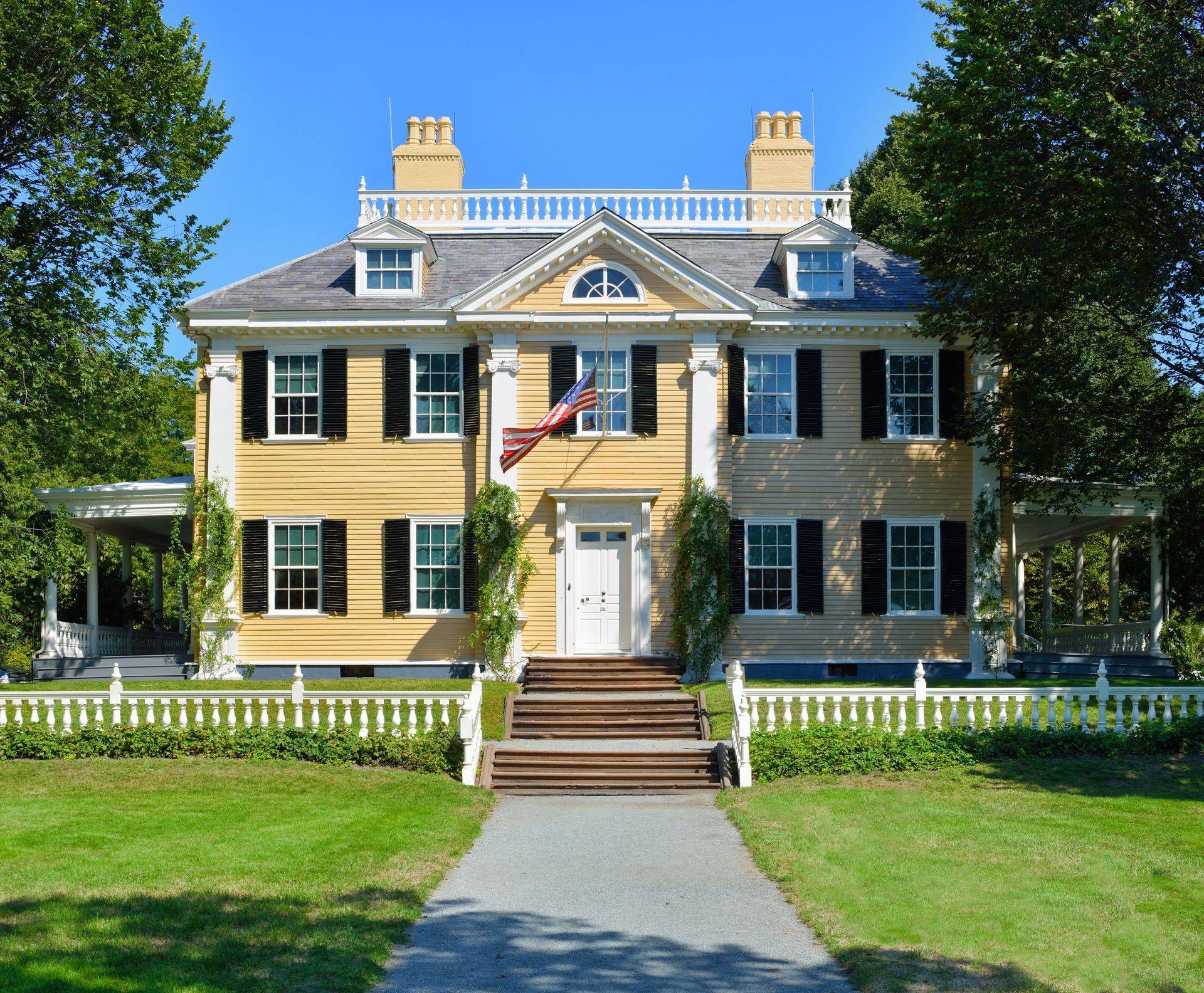
Hiring someone to work on a historic home is rarely as simple as hiring for a standard replacement project. Older properties often come with original materials, distinctive rooflines, preservation concerns, and structural details that require a more thoughtful approach. A contractor may be highly capable in general roofing work but still lack the background needed to handle the demands of a historic property. That is why homeowners should take time to ask detailed questions before moving forward with any proposal. The right conversation at the beginning can help prevent expensive mistakes later.
Historic homes deserve careful planning, clear communication, and workmanship that respects the character of the property. Asking the right questions can help you better understand a company’s experience, process, and ability to protect both the structure and its appearance. It can also help you compare roofing contractors more effectively and make a decision based on more than price alone. Before committing to a project, it helps to know which topics matter most and how those answers can affect the outcome of the work.
1. What Experience Do You Have With Historic Homes?
One of the first questions to ask is whether the contractor has worked on historic homes before. Roofing on an older property often involves materials, framing methods, ventilation patterns, and aesthetic details that differ from what is found on newer construction. A contractor with direct experience in this area may be better prepared to spot issues that could affect the project, such as hidden water damage, aging decking, or the need to preserve original design features. That experience can shape everything from material recommendations to installation methods.
You should also ask for examples of similar projects the contractor has completed. Photos, references, or project descriptions can help show whether the company understands the level of care required for a historic roof. Some roofing contractors may do excellent work on newer homes but have limited familiarity with preservation-minded restoration. A contractor who can speak clearly about past historic projects is more likely to understand the balance between protecting the home and updating the roof responsibly.
2. Which Materials Do You Recommend And Why?
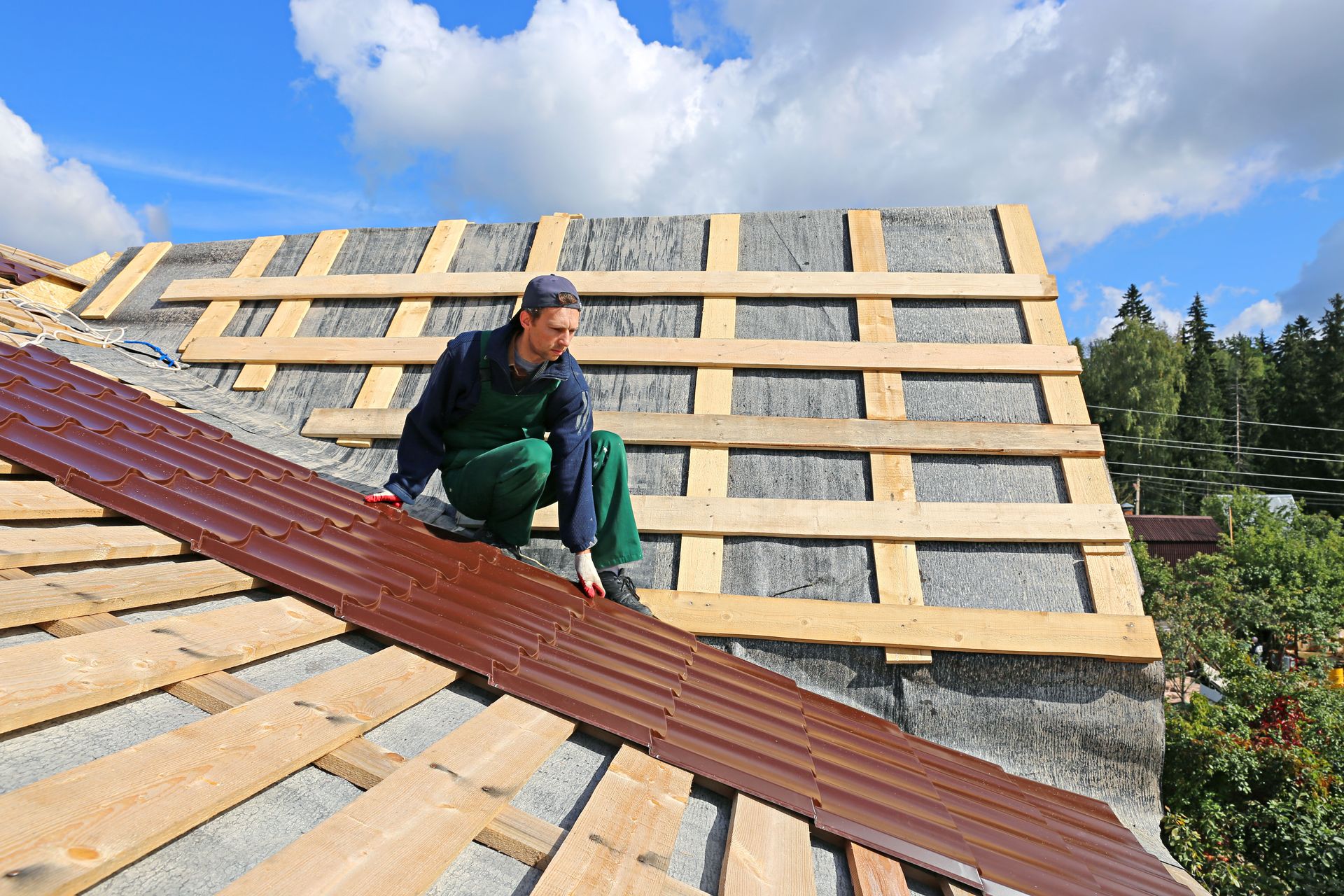
Material selection is especially important on a historic home because the roof contributes so much to the property’s overall appearance. Some homes were originally built with slate, tile, wood shakes, or specialty shingles, and changing those materials without careful thought can alter the home’s character. A good question to ask is which materials the contractor recommends and why. Their answer should address both performance and visual compatibility, rather than focusing only on cost or availability.
This is also a good time to ask whether there are modern alternatives that can preserve the look of the original roof while offering practical benefits. In some cases, homeowners want a material that better fits current maintenance needs or budget limits without straying too far from the historic style. According to Home Gnome, the typical residential roof in the United States covers about 1,700 square feet. On a historic home, however, the shape and detailing of that square footage can make product choice far more important than it might be on a simpler roof design.
3. Can This Roof Be Repaired Or Does It Need Replacement?
Not every historic roof needs a full replacement, which is why it is worth asking whether repair is still a realistic option. Some older roofs have isolated damage that can be corrected without removing the entire system, while others may have more widespread deterioration that makes replacement the better long-term choice. A trustworthy contractor should be willing to explain what they found, what can realistically be repaired, and what signs point toward a larger project. That kind of explanation can help homeowners make a more informed choice instead of feeling pushed into a decision.
You can also ask how the company determines when a roof has reached the point where replacement is the more practical route. The answer should include factors such as water intrusion, structural concerns, repeated repair history, and the condition of the materials already in place. Roofing contractors who take time to explain this difference often provide greater clarity for homeowners trying to protect older properties. With a historic home, preserving what can still perform well may be just as important as knowing when replacement is truly necessary.
4. How Will You Protect The Structure During The Project?
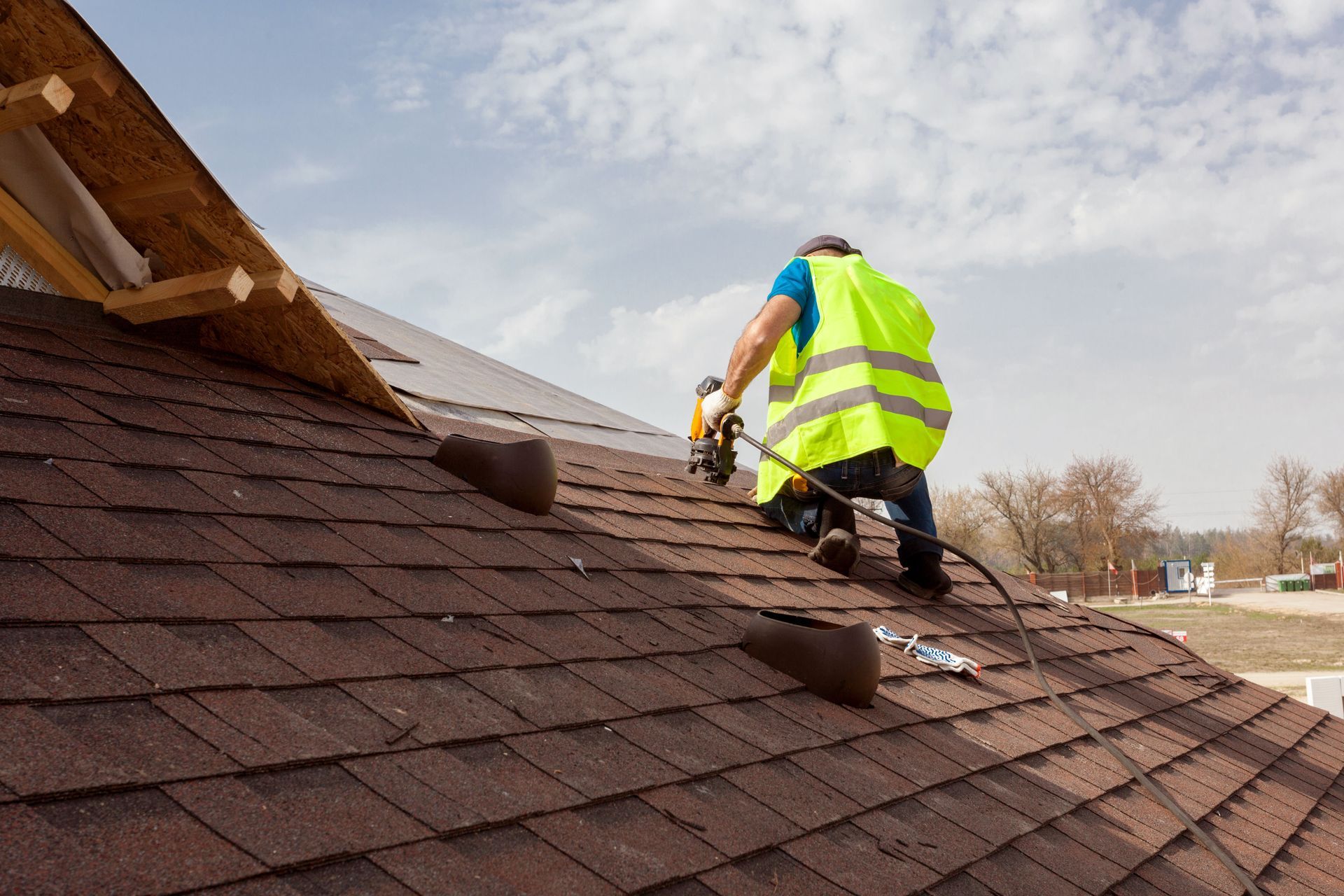
Historic homes can be more vulnerable during construction because older framing, decking, trim, and surrounding features may not respond the same way as newer materials. That is why it is smart to ask how the contractor plans to protect the structure throughout the project. This includes questions about tear-off methods, debris control, weather exposure, and how the crew will avoid damaging architectural details. A contractor working on an older home should show a strong awareness of how easily surrounding elements can be affected during roof work.
It also helps to ask what steps the company takes if unexpected issues are uncovered once the old roofing materials are removed. Historic homes sometimes reveal hidden rot, outdated repairs, or weakened wood that was not visible during the initial inspection. Homeowners should know how those discoveries will be documented, discussed, and addressed before work continues. Roofing contractors who communicate clearly about protection measures and contingency planning often give homeowners more confidence in the process from start to finish.
5. How Will Communication And Scheduling Be Handled?
Even a well-planned roof project can become frustrating if communication is inconsistent. Historic homes often require more discussion than standard projects because homeowners may want updates about materials, structural findings, preservation concerns, or changes in scope. Asking who your main point of contact will be can help you understand how information will be shared during the job. It is also helpful to ask how often you can expect updates and how questions will be handled once work is underway.
Scheduling is another important topic because older homes can present delays that are harder to predict in advance. Ask how long the project is expected to take, what factors could affect that timeline, and how the crew handles weather interruptions or unexpected repairs. Strong communication can make the entire experience feel more manageable, especially when decisions need to be made quickly. Before choosing among roofing contractors, homeowners should feel comfortable with the company’s approach to planning, responsiveness, and day-to-day coordination.
6. What Workmanship Warranty Do You Provide?
The final question to ask is what kind of workmanship warranty comes with the project. Materials may come with manufacturer coverage, but that does not always address installation issues. On a historic home, installation quality is especially important because roof details can be more intricate and less forgiving. Homeowners should ask what is covered under the contractor’s workmanship warranty, how long that coverage lasts, and what happens if a problem appears after the work is complete.
This is also a good moment to ask how the company stands behind its work overall. A strong answer should reflect confidence, transparency, and a willingness to address concerns if they arise. It can also help to ask how warranty claims are handled, including response times, inspection processes, and whether additional costs may apply. Clear expectations around follow-up service can make a big difference if issues surface after installation. Roofing contractors who communicate these details clearly often show a higher level of accountability and professionalism. Understanding how the company supports its work long after the project is finished can give homeowners added confidence when moving forward.
Historic homes require care at every stage, and the quality of the finished project depends on more than the materials alone. By asking thoughtful questions before hiring roofing contractors, you can move forward with greater peace of mind and a better understanding of what your home needs. If you are looking for a company that values quality, communication, and careful roofing work, contact Muthard Roofing Inc.




Share On: