
How to Know When Your Home Requires Roofing Repairs
Understanding when your home needs roofing repairs is critical to maintaining the overall safety, energy efficiency, and monetary value of your property. Homeowners must remain vigilant in observing the health of their roofing structures to mitigate serious, costly issues that inevitably arise from neglect. Early detection of wear allows for targeted repairs before minor leaks turn into structurally compromised areas. By staying proactive and conducting regular property assessments, you safeguard your long-term real estate investment while ensuring year-round comfort for your family.
Identifying Visible Shingle Damage
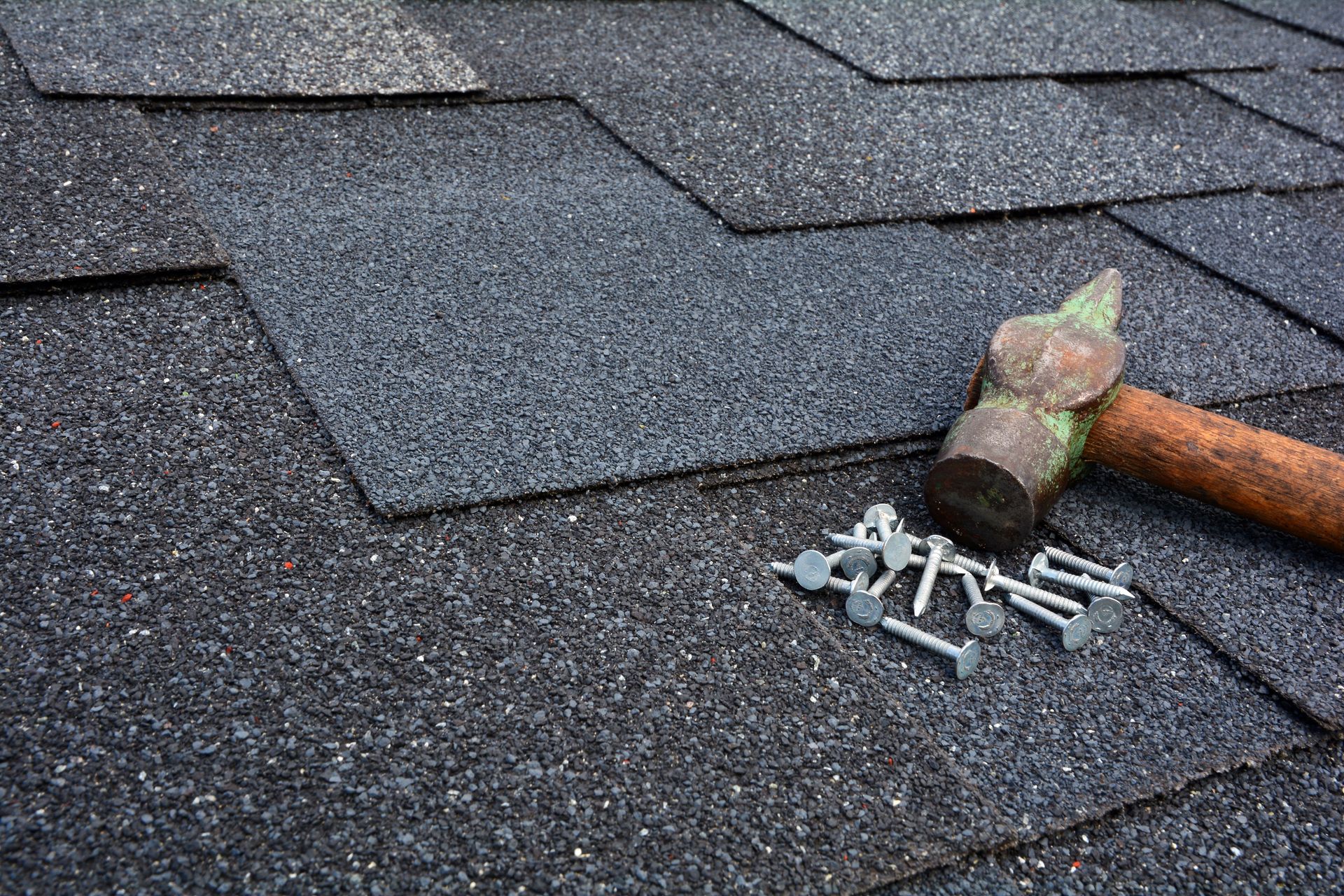
Visible wear on shingles is one of the clearest indicators that your structure requires professional roofing repairs. Over time, environmental exposure to ultraviolet light, high winds, and severe weather causes asphalt and composite materials to degrade, crack, or break entirely. According to The Spruce, a roof needs replacement when shingles are curling, cupped, cracked, damaged, or missing, when granules accumulate in the gutters, or when the roof exceeds 25 years of age. Addressing missing or broken shingles promptly protects the underlayment from water penetration and prevents widespread decking rot.
Additionally, pay close attention to the surface texture of asphalt shingles during regular home maintenance checks. When protective surface granules wash away into gutter channels, bald spots form that leave the asphalt substrate vulnerable to rapid solar degradation and cracking. Buckling or cupped shingles compromise the shedding capability of your roof, directly opening pathways for heavy moisture intrusion. Timely roofing repairs can replace compromised individual sections before water damages the underlying wooden sheath.
Routine inspections after major storm events are essential for catching localized shingle damage early. High wind uplift can break the adhesive seals between shingles, causing them to flap, crease, or detach entirely without obvious ground-level visual evidence. By systematically identifying torn tabs, loose fasteners, and impact damage from hail or falling tree branches, property owners can execute spot repairs that successfully maintain the original weather barrier without incurring the expense of a premature full system replacement.
Detecting Internal Water Intrusion
Water leaks inside the living space signal severe structural vulnerabilities that demand rapid professional attention. Stains appearing on ceilings or along upper interior walls typically begin as faint discoloration before spreading into dark, extensive moisture patches. These leaks often stem from damaged flashing, missing shingles, or backed-up gutter systems failing to direct water safely away from the home. Prompt intervention isolates the leak source, preserving interior drywall, wood framing, and ceiling insulation from permanent ruin.
Unchecked internal moisture quickly leads to secondary structural issues, including damp, musty odors and toxic mold growth within walls or attic cavities. Trapped humidity severely harms indoor air quality and creates hazardous living conditions for family members sensitive to airborne mold spores and allergens. If you notice dripping water during heavy rainfall or uncharacteristic spikes in indoor humidity, immediate roofing repairs are necessary to restore the protective seal of your home envelope and preserve healthy living quarters.
Locating the precise entry point of a roof leak can often prove challenging, as water frequently travels along rafters and roof deck sheathing before dripping down onto ceiling drywall. Tracing moisture paths requires careful evaluation of the attic space, searching for wet insulation, dark wood rot, or rusted nails projecting through the decking. Timely leak tracing ensures that repairs address the actual point of water ingress rather than merely patching over the visual evidence inside your living quarters.
Evaluating Sagging Roof Structures
A dipping or sagging roofline indicates a serious structural issue beneath the exterior surface materials. Prolonged exposure to trapped moisture decays plywood sheathing, weakens support rafters, and compromises load-bearing structural framing. Excessive weight loads from heavy winter ice and snow can accelerate this sagging, leading to dangerous structural depression over time. Immediate inspection by trained structural professionals is required to assess the integrity of the underlying support system.
Sunken roof valleys or uneven exterior lines suggest that the underlying timber framework is no longer offering adequate support capabilities. Ignoring these structural deformations dramatically increases the risk of partial collapse, requiring complex structural reconstruction rather than simple surface repairs. Early detection allows contractors to shore up internal framing supports, replace rotted plywood decking, and stabilize your home's roofline safely before catastrophic failure occurs.
Addressing structural sagging also involves examining the home's attic ventilation and load balance. When moisture builds up in spaces that are not ventilated, framing members absorb humidity, swell, and gradually lose their structural rigidity under heavier weights. Proper ridge vents, soffit baffles, and internal collar ties work with exterior corrections to keep the structural frame dry, straight, and able to support all weather loads for years to come.
Inspecting Damaged Flashing Elements
Flashing acts as a critical weatherproofing barrier installed around roof joints, chimneys, dormers, plumbing stacks, and skylights. When metal flashing shifts, corrodes, or develops gaps, water flows directly into the most vulnerable junctions of the building envelope. Wind uplift, temperature fluctuations, and degraded sealants cause flashing pieces to pull away, leaving open channels for moisture intrusion into interior structural spaces.
Improper initial installation or missing sealant compounds flashing problems, allowing slow, hidden leaks to decay interior framing over months or years. Routine physical examinations ensure gaps, holes, and rust spots are caught early. Re-securing loose flashing, applying fresh sealant, or replacing damaged metal strips provides reliable waterproofing and extends the life of adjacent roofing materials without requiring complete structural tear-offs.
Different roof valleys and wall intersections demand specific flashing metals, such as aluminum, galvanized steel, or copper, to prevent galvanic corrosion over time. When incompatible metals react with surrounding materials or acidic runoff, the flashing degrades prematurely and develops microscopic pinholes. Consulting qualified technicians to replace deteriorated step, apron, or counter flashing ensures that all transitions remain completely impervious to wind-driven rain and ice dams.
Managing Roofing Lifespans and Efficiency
Understanding the age and maintenance history of your roof helps anticipate necessary roofing repairs or replacement timelines. Traditional asphalt shingles typically perform for 20 to 25 years, whereas metal, slate, or tile installations feature significantly longer service lives. Tracking repair history, warranty terms, and previous updates empowers homeowners to schedule timely maintenance before age-related failures result in widespread, catastrophic water damage throughout the structure.
An aging or compromised roof system directly impacts household energy efficiency through poor insulation performance and inadequate attic ventilation. Air leaks allow conditioned air to escape into the atmosphere, causing HVAC systems to work harder during extreme summer heat or winter cold. Modernizing insulation, optimizing attic airflow, and completing timely roofing repairs stabilize indoor temperatures and significantly reduce monthly utility expenditures.
Investing in modern roofing techniques and thermal barriers also preserves the value and market appeal of your residence. Prospective buyers frequently scrutinize the age and condition of a building's roof during property inspections, treating old or damaged roofs as major financial liabilities. By completing proactive roofing repairs and keeping detailed records of routine maintenance, you preserve your home's curb appeal, energy rating, and overall equity.
Being proactive in identifying and addressing structural vulnerabilities saves homeowners from extensive, costly water damage over time. Routine evaluations, accurate maintenance records, and early professional interventions form the core of an effective property care strategy. For more information about the services that we offer, reach out to our incredible team at Muthard Roofing Inc today!





Share On: