
When to Call Roofing Services for Repairs vs. Replacement
When it comes to maintaining the structural integrity and aesthetic appeal of your home, one of the most critical components is the roof. Knowing whether to have your roofing services repair or replace your roof can save time, money, and potential stress. This article aims to guide you through the decision-making process by highlighting key indicators for both repair and replacement, covering various roofing materials, and offering insights from industry experts. Many homeowners face the challenge of dealing with roof problems but lack the knowledge to make the right decision. By educating yourself on the signs and implications of roof damage, you can better protect your home investment.
Identifying Roof Damage
Visual Signs of Damage
Visual signs of roof damage are often the first indicators that maintenance is needed. Missing, broken, or curled shingles are visible cues that your roof may be compromised. Stains on the interior ceiling or walls often suggest leaks that need inspection. Exterior signs, such as sagging or uneven roof lines, can indicate deeper structural issues. Regular visual inspections, particularly after harsh weather conditions, can help catch these early signs.
Even minor visible issues can lead to significant problems if ignored. For instance, a small puncture can evolve into a major leak, causing water damage to the home's interior. Factors like moss or lichen growth might seem benign, but they can contribute to roof material deterioration over time. Besides personal inspections, professional assessments are valuable for identifying less obvious damage. Understanding these visual cues helps you decide whether a repair or replacement is necessary.
Common Types of Weather Damage
Roofing structures are constantly exposed to various weather conditions, each posing unique challenges. Hailstorms can cause severe denting and shingle damage, leading to water leaks. High winds often result in missing shingles, making roofs susceptible to further weather-related wear. Heavy rain or snow may stress the roof's structural components, particularly if drainage systems are inadequate. Addressing weather-related damage early can prevent meaningful structural degradation.
Flash floods and hurricanes represent extreme weather events that can massively affect roofs. A sound understanding of how weather impacts your roof will inform maintenance strategies, ensuring longevity. Different materials respond differently to weather stresses; thus, knowing your roof's specifics helps in planning. Climate-specific concerns should inform both design choices and routine inspections, especially in regions prone to severe weather. Access to emergency roofing services is another vital aspect of dealing with abrupt weather changes.
Indicators of Structural Issues
Structural issues often go unnoticed until they manifest as severe problems. A sagging roof, for example, is a major warning sign that the plywood or decking structure is failing. Beams under continuous strain can eventually lead to roof collapse if not remedied. Moreover, internal wall cracks can indicate that the house's structural stability is compromised. Addressing these foundational issues goes beyond mere roofing—it involves the home’s entire structural integrity.
A proactive stance is crucial in identifying potential structural problems. Shifting, creaking, or collapsing associated with certain roof areas hints at urgent repair needs. Specialized equipment like moisture meters and infrared cameras can diagnose otherwise invisible structural issues. Understanding these indicators requires a blend of professional expertise and periodic evaluations. Building assessments must consider both external and internal perspectives to truly grasp the situation.
The Age of Your Roof
The age of your roof is a pivotal factor when deciding between repair and replacement. Older roofs, for example, tend to have brittle or worn materials that may not withstand weather impacts effectively. A well-maintained roof typically lasts about 20 to 30 years, depending on the materials used. If your roof is younger than 15 or 20 years old, it may get by with repairs rather than a full replacement, according to Bob Vila. Conversely, if your roof is approaching the end of its lifespan, replacement might be the prudent choice.
Aging roofs often exhibit specific signs of decline. Widespread granule loss from shingles reduces the roof's protective capabilities. Discoloration or patches may indicate aging materials or extended sun exposure. While maintenance can prolong the life of an older roof, its initial installation quality also affects longevity. Therefore, incorporating material age in your assessment process can guide decision-making on repairing or replacing.
Understanding Repair Needs
Minor Leaks and Punctures
Addressing minor leaks and punctures can prevent further extensive roof damage. The appearance of water stains on ceilings or walls often signals leakage, necessitating immediate inspection. Small punctures caused by fallen branches or other debris may appear harmless, but can lead to water penetration. Repairing these minor issues quickly maintains your roof's integrity and prolongs its overall lifespan. Experienced roofers can provide effective, lasting repair solutions.
In terms of time and cost benefits, targeting leaks and punctures for repairs can often offer substantial savings compared to extensive fixes later on. These repairs can typically be performed quickly with minimal disruption to your living environment. Modern patching materials and techniques enhance repair durability. While small in nature, these problems left unchecked can weaken structural materials or lead to more severe leaks. Regular monitoring is key to identifying and addressing early-stage concerns.
Consulting with professional roofers builds a more strategic repair plan that considers underlying issues. While repairing immediate leaks, identifying potential causes like gutter backups or improper water flow can prevent recurrence. Repair approaches are adaptable, integrating emerging materials and technologies for enhanced protection. By prioritizing quick action against small-scale leaks and punctures, homeowners can effectively mitigate larger repair or replacement costs down the line.
Damaged or Missing Shingles
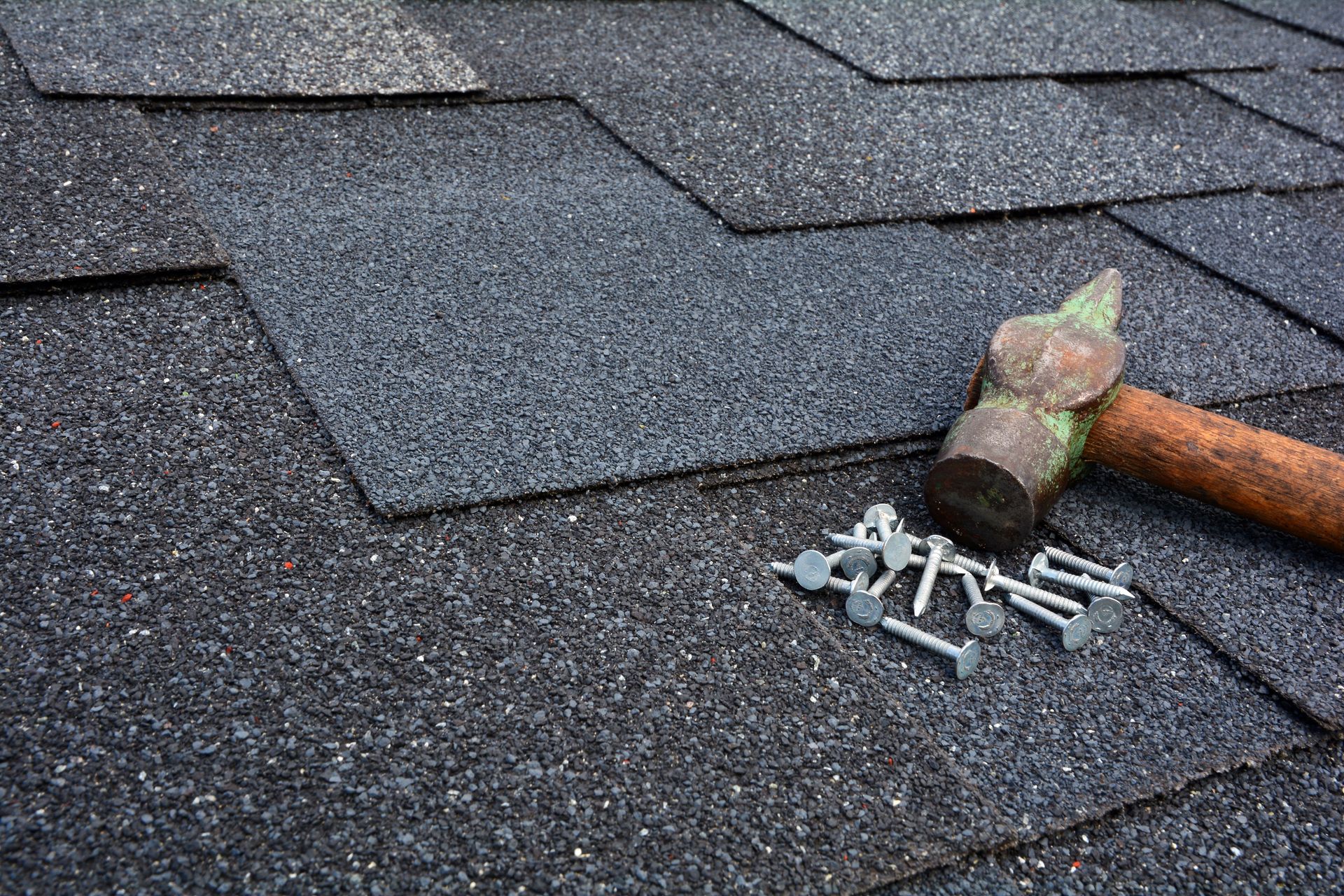
The most common roofing issue that necessitates repair is damaged or missing shingles. Shingles form the protective exterior of your roof, shielding it from various external elements. A damaged shingle, through warping or curling, cannot offer full coverage, potentially leading to subsequent problems like leaks. Missing shingles, often the result of wind exposure, create noticeable vulnerabilities that are easily addressed through localized repairs. These repairs maintain the aesthetic uniformity of your home while safeguarding its interior.
As a top provider of roofing services, we've noticed that shingle damage impacts both functionality and appearance. It can also reduce the roof's energy efficiency, as compromised insulation allows energy to escape. Addressing shingle disruptions promptly forestalls larger-scale problems that may necessitate total replacement. By replacing individual shingles that match your existing roofing, homeowners can maintain their property’s curb appeal and functionality. Early intervention at the slightest sign of shingle distress ultimately protects your home’s overall integrity.
Flashing Damage and Repair
Flashing is an essential roof component that seals roof joints and intersections against water penetration. Made from metal, these strips guard against leaks around chimneys, vents, and skylights. Damage to flashing, such as rust or detachment due to weather events, compromises these protective roles. As a result, timely repairs can significantly extend your roof's longevity by preserving its waterproofing capabilities. Flashing issues, when resolved promptly, prevent expensive structural repairs.
Early detection of flashing problems typically involves both visual inspections and professional evaluations. Homeowners should look for signs of separation or visible rust, which indicate an increased risk of leaks. Repairing flashing often involves repositioning, resealing, or even replacing damaged sections entirely. The cost of flashing repairs tends to be significantly lower than full roof replacements, making it a cost-effective maintenance strategy. Consistent flashing upkeep prevents further interior damage and costly repairs.
Deciding whether to repair or replace your roof comes down to understanding the extent of the damage, the age of your roofing system, and the type of issues present. Minor problems like small leaks, damaged shingles, or flashing issues can often be resolved with timely repairs, helping you extend the life of your roof and avoid unnecessary costs. However, more serious structural concerns or an aging roof nearing the end of its lifespan may make replacement the safer and more cost-effective option in the long run. By staying proactive with inspections and addressing issues early, you can protect your home, preserve its value, and ensure long-term peace of mind. For professional
roofing services you can count on, contact Muthard Roofing Inc today.





Share On: